Everything that lets people find, understand and buy the product must be ready 48 hours before the first announcement. On launch day, all that's left is to open the door.
The benchmark
The founder of a jewelry brand was preparing the release of a ring that she had first shown to her Instagram community:
"I've never had so many replies in my whole life about a design. But there's going to be a problem with how I get them to the site."
Check the path to the product by hand, three times, putting yourself in the shoes of someone arriving from the email, then from an ad, then by typing the product name into the site search.
If any of the three leads anywhere other than the product, the launch loses sales through that path, and nothing in the day's numbers will tell you.
The rule
Freeze the site two days before. Test everything on a phone, with a real order, by someone who didn't prepare the launch.
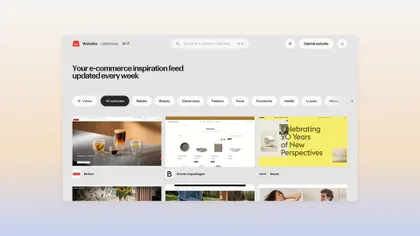
That last condition matters more than you'd think, and we learned it the hard way. While preparing the launch of our own directory, Commerce.design, a team member asked in a meeting:
"Wouldn't it be good to have commerce.design written somewhere? It's not written anywhere."
The product name was missing from the homepage, and the team that built it no longer saw it, because they knew it by heart.
The steps
- The product page. Photos, sizes, materials, delivery time and return policy are live and have been checked on mobile.
- The placements. The product appears on the homepage, in the menu and at the top of its collection, placed by hand.
- Internal search. The product name leads to the product page, including when spelled the way it sounds in a video. Shopify's typo tolerance catches a wrong letter, but not necessarily a name nobody has ever seen written; declare likely spellings as synonyms in the Search & Discovery app.
- The ad landing page. Its first screen echoes the campaign's visual and promise.
- Stock by size. It's checked, and the back-in-stock alert works. Shopify doesn't offer it out of the box: it comes from an app or from your email tool.
- Customer service. The team has the price, the delivery times and the answers to the questions to expect.
The trap
The most common trap is sending all the launch traffic to the homepage, where the new product shares the screen with five other messages.
The subtler one comes from the very nature of a new product: it has no history, yet everything that runs on autopilot on a site ranks by history.
On Shopify, a collection's "best selling" sort ranks products by the total number of orders containing them since the store opened; with zero orders, the new arrival lands at the end of the list.
Automatic recommendations rely first on past purchases, and their fallback based on the description only exists for English-language stores. And search doesn't yet know the word the ad is teaching your customers.
This blind spot can be measured. For a shirt brand the authors work with, one specific style was searched for by name 43 times in a year in the site search, and only 16% of those searches led to a click.
More than eight in ten people knew exactly what they wanted, and no result made them want to click.
The day after launch, open the searches with no results and searches with no clicks reports in Search & Discovery ("Searches with no results" and "Searches with no clicks" in the English interface), which cover the last thirty days, and look for the product name in every form.
Turn each variant you find into a synonym within the hour. For what comes next, here's a sentence to say to your leadership, in your own words:
"A launch is ready when someone outside the project has found the product on their phone, through all three paths."
Sources
- Changing the order of products in a collection (Shopify Help Center)
- Product recommendations in Search & Discovery (Shopify Help Center)
- Store search and typo tolerance (Shopify Help Center)
- Shopify Search & Discovery, synonym groups (Shopify App Store)
- Search & Discovery analytics reports (Shopify Help Center)